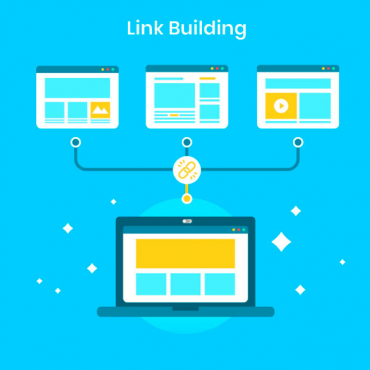
Link Building Without Spam: 7 White-Hat Strategies That Actually Work in 2025
Link building remains one of the most powerful factors in Google's ranking algorithm. However, the days of bulk link purchases, automated blog comments, and link farms are long gone. In 2025, Google's AI-driven algorithms are more adept than ever at detecting manipulative tactics — and penalizing them.
To stay competitive and safe, SEO professionals must embrace white-hat link building: methods that comply with search engine guidelines, offer real value, and stand the test of time. Below, we'll explore seven proven strategies that generate high-quality backlinks without spam.
1. Create Data-Driven, Unique Content
Google rewards websites that offer original value, and few things attract organic backlinks like exclusive data.
Examples include:
- Conducting industry surveys and publishing statistics.
- Creating infographics summarizing trends.
- Offering free tools or calculators relevant to your niche.
Example: A B2B SaaS company published a yearly "State of the Industry" report with insights from 1,200 professionals. The study earned 250+ backlinks from reputable domains in less than 6 months.
2. Leverage Digital PR
Digital PR bridges the gap between SEO and brand storytelling. This approach involves pitching newsworthy stories to journalists, bloggers, and influencers.
Tactics that work:
- Sharing unique research findings.
- Responding to trends with expert commentary.
- Leveraging platforms like HARO (Help a Reporter Out).
Quote from Rand Fishkin (SparkToro): "Links aren't given for free; they're earned when you become the go-to source people trust."
3. Build Resource Pages & Guides
Long-form, evergreen guides continue to rank and attract backlinks for years. Think "Ultimate Guide", "Beginner's Handbook", or "Best Tools for [Industry]".
To maximize backlink potential:
- Make the guide visually appealing and easy to scan.
- Keep it updated with the latest information.
- Promote it via social channels and outreach emails.
4. Guest Posting on Relevant, Authoritative Sites
Guest blogging still works — if done with quality in mind.
Best practices:
- Pitch to websites with real traffic (check via tools like Ahrefs or SimilarWeb).
- Provide content that's better than what they could produce in-house.
- Avoid anchor text over-optimization; focus on natural links.
5. Reclaim Lost & Broken Links
Over time, websites remove or break outbound links. Reclaiming these can be an easy win:
- Use tool like Seogismo to find broken links pointing to your site or competitors.
- Contact the linking site with the correct URL or a better replacement.
Pro Tip: This method often achieves a 15–20% success rate with personalized outreach.
6. Collaborate with Niche Influencers
Influencers aren't just for social media. Partnering with micro-influencers or respected niche bloggers can lead to contextual backlinks.
Ideas:
- Co-authoring expert roundups.
- Offering free access to your tool for review.
- Sponsoring educational content (without violating Google's guidelines).
7. Create Linkable Assets
Linkable assets are resources that naturally attract links because they're hard to replicate. Examples:
- Interactive maps.
- Industry-specific templates.
- Free software or browser extensions.
According to a 2024 Backlinko study, pages with interactive elements earn 53% more backlinks on average than static articles.
Final Thoughts
Link building in 2025 is about trust, relevance, and genuine value. By focusing on white-hat strategies, SEO professionals can build sustainable rankings without risking algorithmic penalties.
As Brian Dean (Backlinko) once said:
"The best links come from the best content. Focus on making something worth linking to, and the links will follow."