Looking for a tool to check your XML sitemap? Our free online validator allows you to instantly check your sitemap.xml — with no limits and no registration required. It's a perfect helper for detecting errors, optimizing your sitemap, and ensuring it's ready for search engine indexing.
During the scanning process, the following will be checked:
- Presence of the file at the specified URL
- Server response code
- Validity of the file markup
- Number of links
- Presence of mixed content
- URLs blocked from indexing via robots.txt
- Whether the sitemap link is included in the robots.txt file
Including your sitemap URL in your site's robots.txt file helps search engines discover it faster and more reliably:
User-agent: *
Sitemap: https://example.com/sitemap.xml
This simple addition ensures search engine crawlers detect and process your sitemap promptly, which is especially important if it's not located at /sitemap.xml
A valid sitemap is crucial for SEO, as it tells search engines which pages exist on your website, when they were last updated, and how important they are in relation to other pages. By using our validator, you not only confirm that your sitemap meets technical standards but also gain an opportunity to perform a full SEO audit of your website via Seogismo.com.
Why Validate XML Sitemaps?
- Crawl efficiency: Search engines rely on sitemaps to discover new pages.
- Error prevention: Detect invalid tags, incorrect URLs, or unsupported parameters.
- Search engine compliance: Google, Bing, and Yandex have strict rules on sitemap formatting.
- Improved indexing: A clean sitemap ensures better visibility in search results.
Sitemap Basics — What Search Engines Expect
Search engines like Google, Bing, Yandex, and Yahoo rely on properly formatted sitemaps. Here's what matters:
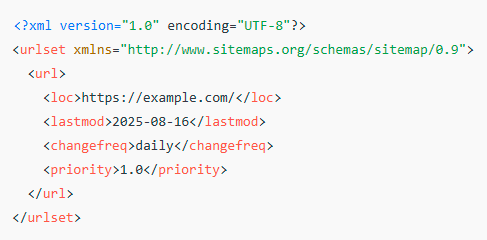
- XML sitemaps are preferred because they support rich metadata.
- TXT sitemaps (URLs per line) are supported—but lack date, priority, and frequency details.
- Sitemap index files let you organize multiple sitemaps efficiently.
Basic XML Sitemap Example:
Sitemap Formats & Technical Requirements
Formats:
- XML – full-featured, supports metadata.
- TXT – simple URL list.
- Sitemap Index – references multiple sitemap files, useful for large or international sites.
Technical Limits:
- Max URLs: 50,000 per sitemap (practically, it's safer to keep under 10,000 per file).
- Max size: 50 MB uncompressed.
- Encoding: UTF-8.
- Links must be absolute and within same domain.
- Order of URLs doesn't affect indexation
Search Engine Support for Sitemap Tags
| Tag | Description | Bing/Yahoo | Yandex | |
| loc | URL location (required) | Yes | Yes | Yes |
| lastmod | Last modification date | Yes | Partial | Yes |
| changefreq | Update frequency hint | No | Yes | — |
| priority | Crawl priority hint | No | Yes | — |
Sitemap Types Explained
Index Sitemap (XML)
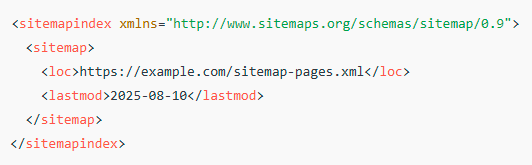
Efficient way to manage multiple sitemap files.
Image Sitemap
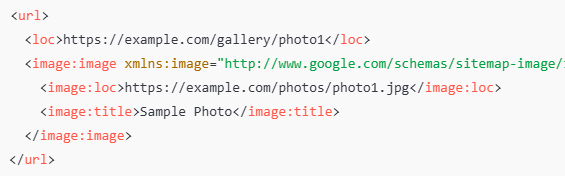
Namespaces and optional tags like image:title provide detail. Keep it updated and list it in robots.txt
News Sitemap
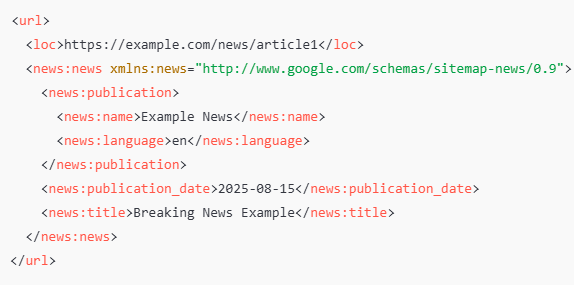
Required for Google News inclusion.
Video Sitemap
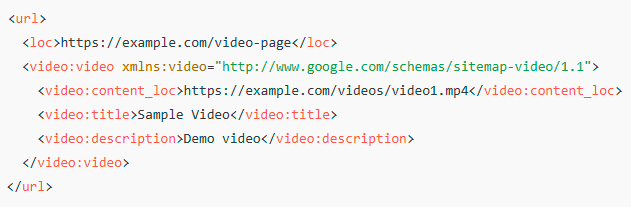
Must include namespaces and only valid published content; submit in robots.txt
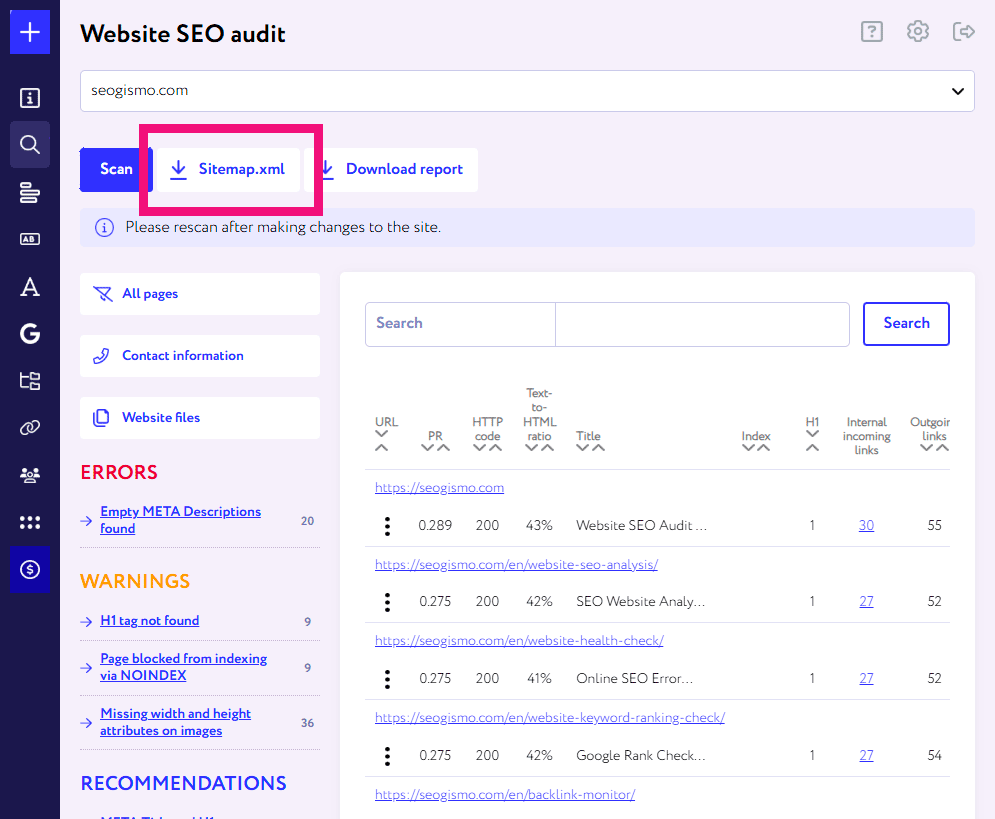
Generating and Submitting Your Sitemap via Seogismo.com
|
 |
Bonus Tips
- It's a best practice to keep each sitemap under 10,000 URLs — though technically up to 50,000 are allowed.
- Avoid listing URLs on other domains. Stick to your domain.
- Always include your sitemap path in
robots.txtfor quick discovery. - Use UTF-8 encoding, especially important for Cyrillic or multilingual URLs.
Our free, unlimited XML sitemap checker helps ensure your sitemap is structured perfectly and search-engine ready. It covers everything from format validation to metadata checks, supports rich sitemap types, and encourages best practices like including your sitemap in robots.txt.
After validating, be sure to perform a full SEO audit via Seogismo.com — let us help you elevate your site's search visibility.
Start with the XML sitemap validator now, and let your SEO journey begin!